
How Often Do I Need to Tune My Piano?


By a Professional Piano Technician with 10 Years of Experience — From Nashville to Broadway
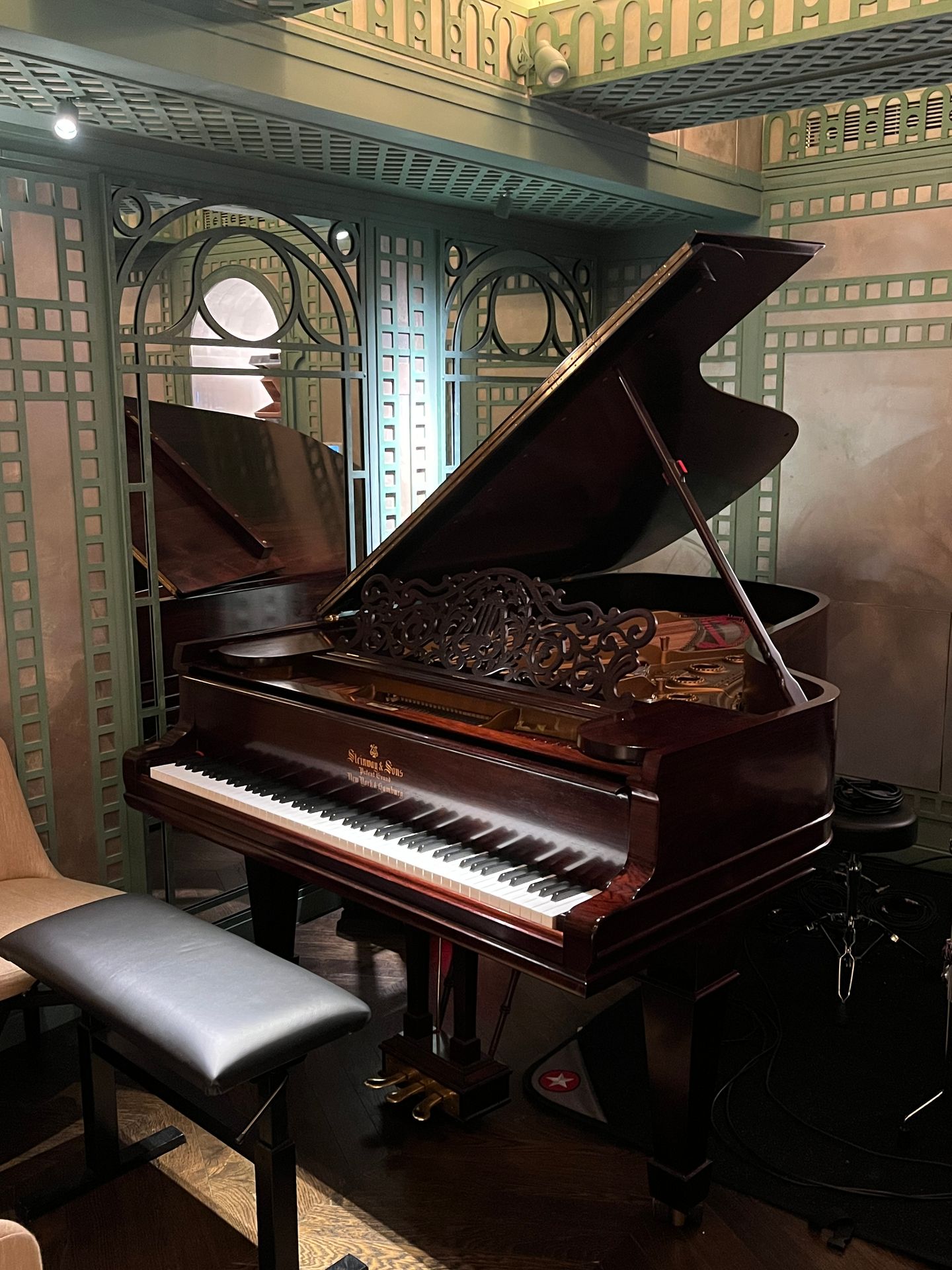
If you've ever Googled this question, you've probably seen the same generic answer copy-pasted across a dozen websites: "Tune your piano twice a year." And honestly? That's not wrong. But it doesn't tell the whole story and depending on your situation, following that advice blindly could still leave your piano in rough shape.
I've been tuning pianos for over a decade. I started in Nashville in 2015, learning on my own instrument; a piano I wrote songs on and used with fellow musicians. What began as a personal curiosity turned into a full-time craft. In 2020, I moved to New York City and stepped into one of the most demanding environments a piano technician can work in: Broadway. I tuned rehearsal studios for productions including The Lion King, and my first major role was as the piano tuner for The Book of Mormon. Working behind the scenes of a production at that level taught me something critical — that piano tuning isn't just maintenance. It's the foundation of performance.
So let me give you the real answer, with all the nuance it deserves.
The Baseline: Twice a Year, No Exceptions
For the average home piano, tuning twice a year is the minimum. Not because it's a nice round number, but because your piano is constantly changing whether you play it or not.
Think of it like an oil change. You don't skip an oil change just because you haven't driven your car much. The engine still needs it. Your piano is the same; the strings are always under tension, the wood is always responding to its environment, and time alone is enough to pull things out of alignment.
When a piano goes too long without tuning, the strings gradually lose tension and the pitch drops. Once a piano falls significantly below A440 (the universal standard pitch), it can no longer play in tune with other instruments, recordings, or even itself. And bringing it back isn't always a quick fix.
What Happens When You Wait Too Long: A Cautionary Tale
In my years of tuning, the most common mistake I see piano owners make is simply not tuning enough, and the consequences range from mildly frustrating to genuinely heartbreaking.
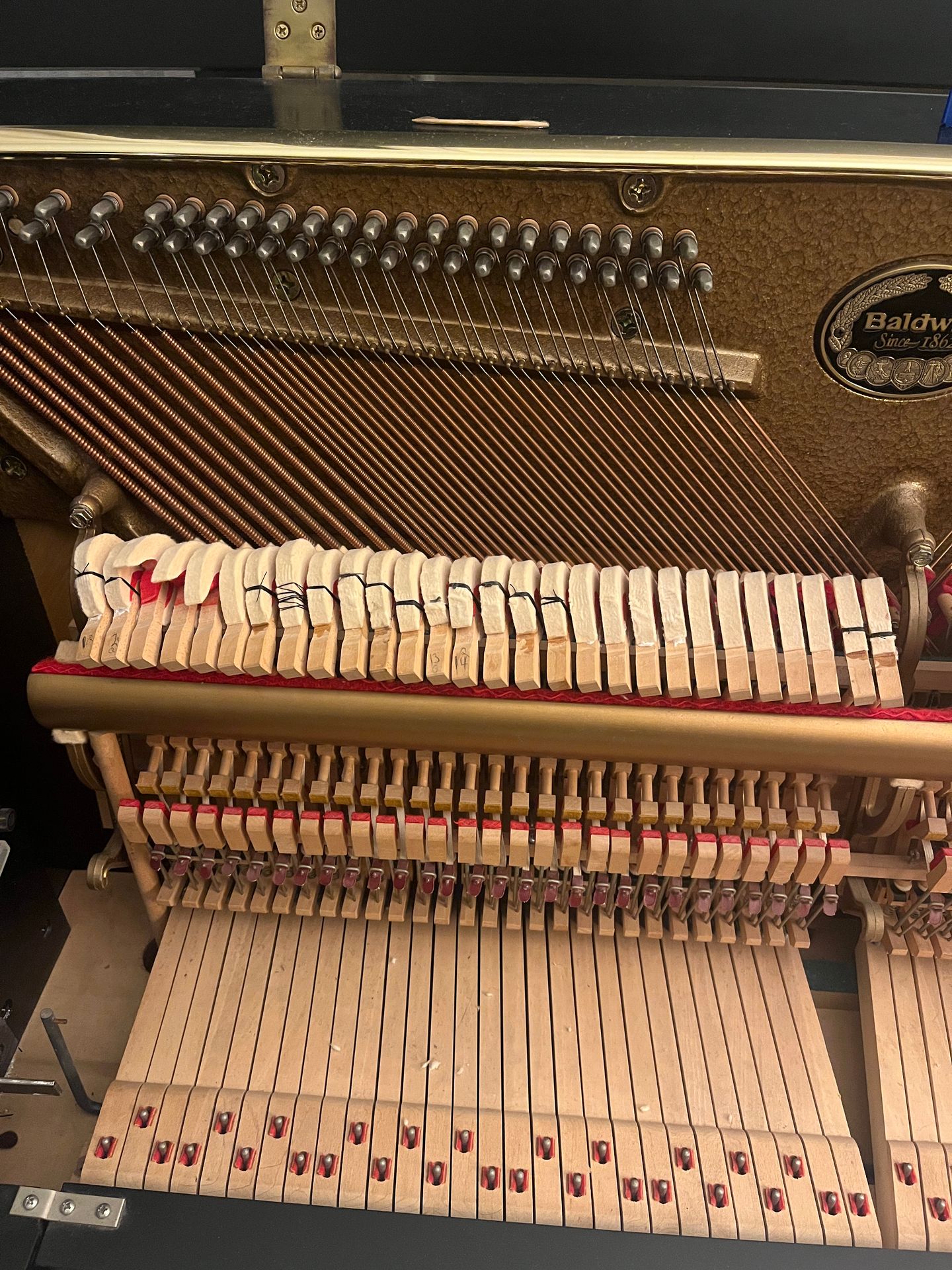
I've been called to tune some very expensive, well-loved pianos that had been sitting untouched for years. On more than one occasion, when I opened the lid, I found that a family of mice had moved in and eaten through the felt inside. The felt in a piano isn't decorative, it's integral to how the hammers strike the strings, how the dampers mute notes, and how the entire action feels and sounds. When it's gone, so is a huge part of the instrument's function.
And that's the thing.. neglect doesn't just affect tuning. It opens the door to a whole range of problems that could have been caught and prevented during a routine visit. A piano technician doesn't just tune; they inspect. Every time I open a piano, I'm looking at the action, the strings, the bridge, the soundboard. A twice-yearly tuning is also a twice-yearly wellness check.
The Single Biggest Factor: Your Environment
If I could give every piano owner one piece of advice beyond "tune it regularly," it would be this: where your piano lives matters more than almost anything else.
Pianos are built from wood, felt, and steel and all of the materials that respond dramatically to temperature and humidity. The ideal environment for a piano is:
Temperature: 65–75°F (consistently — swings are the enemy)
Humidity: 35–45% relative humidity
Pianos that live in stable environments stay in tune longer, age more gracefully, and require less corrective work over time. Pianos that are exposed to fluctuating conditions ie. near a drafty window, next to a heating vent, in a basement that gets damp in summer, are fighting a constant battle.
One tip most people don't know: don't place your piano with its back against an exterior wall. The exterior wall transmits the outside climate directly into the piano's cabinet, creating exactly the kind of instability you want to avoid. Pull it away from that wall, even just a few inches, and you'll notice a difference.
I've worked in both Nashville and New York City: two cities with very different climates. and the pianos that hold up best in both places are the ones in climate-controlled rooms with consistent conditions year-round.
Performance Pianos: A Completely Different Standard
The "twice a year" rule is for home pianos. If your piano is being used for performances, teaching, or regular rehearsals, the math changes entirely.
On Broadway, the rehearsal studio pianos I worked on were tuned once a month, and those instruments were being played for hours every single day. For concert hall pianos, the standard goes even further: once a month at minimum, and often tuned before every performance. In fact, for high-stakes performances, it's common to tune a piano twice before the show; once to set the pitch, and once again closer to curtain to account for any shift from the room's changing temperature and humidity as people fill the space.
The precision required at that level is extraordinary. A concert pianist can hear a string that's off by a fraction of a cent. The tuning isn't just about being "in tune", it's about consistency across every dynamic, every register, every style of playing the performer might throw at it.
Most home pianos will never face those demands. But understanding that spectrum helps put your own instrument in perspective.
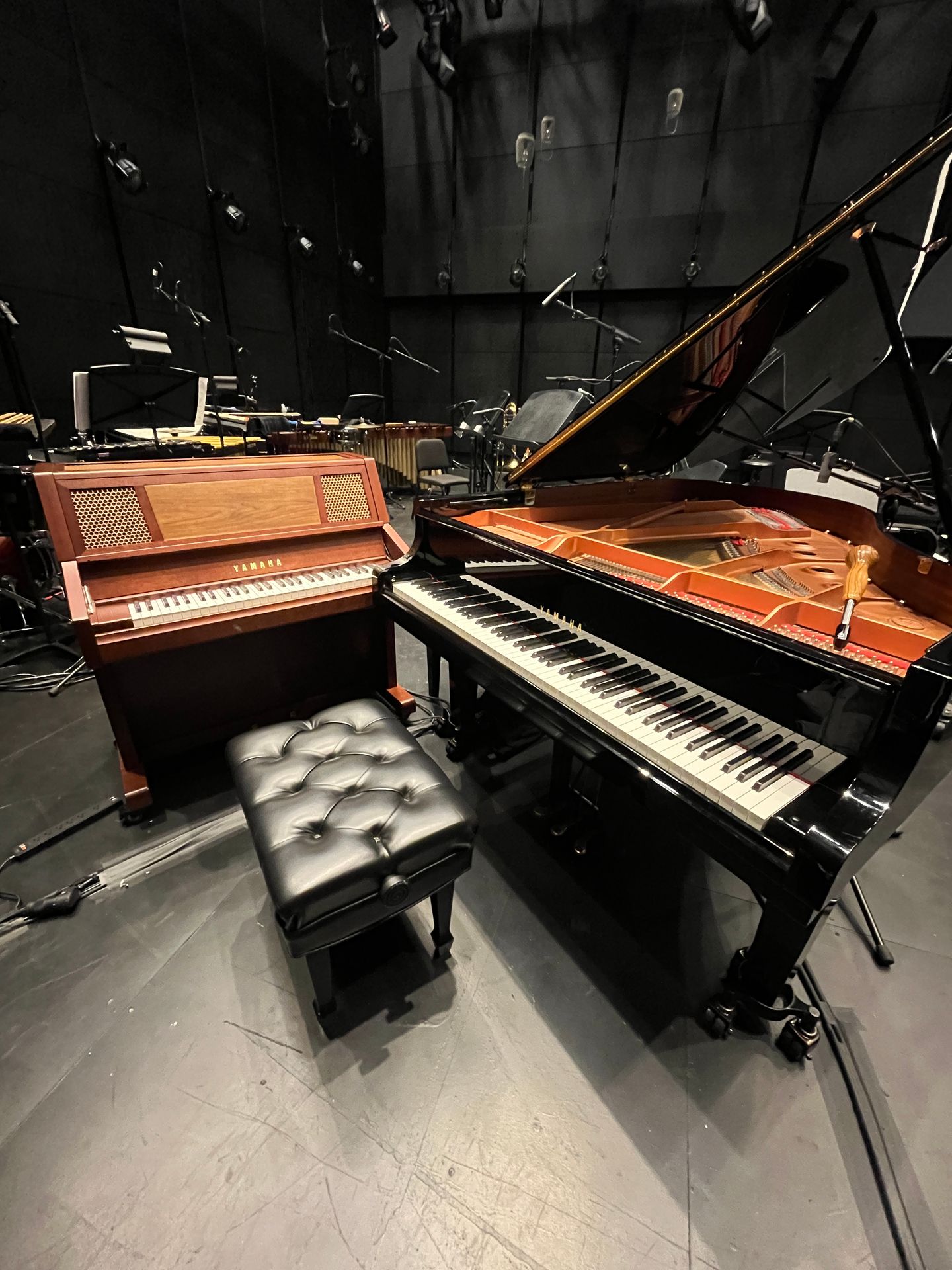 Concert and performance pianos are tuned far more frequently — sometimes twice before a single show
"My Piano Hasn't Been Tuned in Years" — What Happens Next?
This is one of the most common calls I get, and the answer depends on how far the piano has drifted.
If a piano has been neglected long enough, it will likely need what's called a pitch raise before it can be properly tuned. A pitch raise is essentially a rough tuning that brings the overall tension of the strings back up to the right level. You can't just tune a severely flat piano in one pass; the strings are so interconnected that tightening one affects the others. Change the tension too fast and strings start breaking. Nobody wants that.
In some cases, one visit is enough to do a pitch raise and a fine tuning in the same appointment. In others, especially with pianos that are severely flat, it takes multiple visits over time to safely bring the instrument back to health.
And here's something worth knowing: tuning is usually the most noticeable thing to a listener's ear. It's almost always the first thing someone hears when a piano is "off." Before you spend money on action repairs or other work, getting your piano in tune gives you a clear baseline and a good technician will use that first visit to evaluate everything else too.

The Bottom Line
Here's the simplest way I can put it, after ten years of tuning everything from songwriters' uprights in Nashville to Broadway grands:
Tune your piano at least twice a year, no matter what. If it lives in a stable environment and gets moderate use, that's likely all it needs. If it's in a variable climate, gets heavy use, or hasn't been tuned in years, you may need more attention upfront to get it back on track.
The cost of regular tuning is always less than the cost of fixing what happens when you skip it. Whether that's a dropped pitch that takes multiple visits to correct, or the morning you open your piano lid and discover you've been sharing it with something small and furry.
Your piano is an investment. Treat it like one. If you're ready to get yours back on track, you can book a piano tuning appointment in NYC directly — same technician, no middleman.
Have questions about your specific piano? Feel free to reach out — I'm happy to help you figure out what your instrument needs. 917-719-0162