
What's the Difference Between 440Hz and 442Hz Tuning?


If you've spent any time around classically trained musicians or professional orchestras, you've probably heard this debate come up. And if you haven't, you might be surprised to learn that it comes up more than you'd think in New York City. As a piano tuner who has worked everywhere from Broadway rehearsal studios to private homes across Manhattan, I get asked about this more than most people would expect.
So let me break it down in plain terms, because this is one of those topics that sounds more complicated than it actually is.
What's the Difference Between 440Hz and 442Hz Tuning?
The difference between 440Hz and 442Hz is about eight cents. A cent is one hundredth of a semitone, which is the distance between any two adjacent keys on a piano. So we're talking about a very small interval, but small doesn't mean unnoticeable, especially to a trained ear.
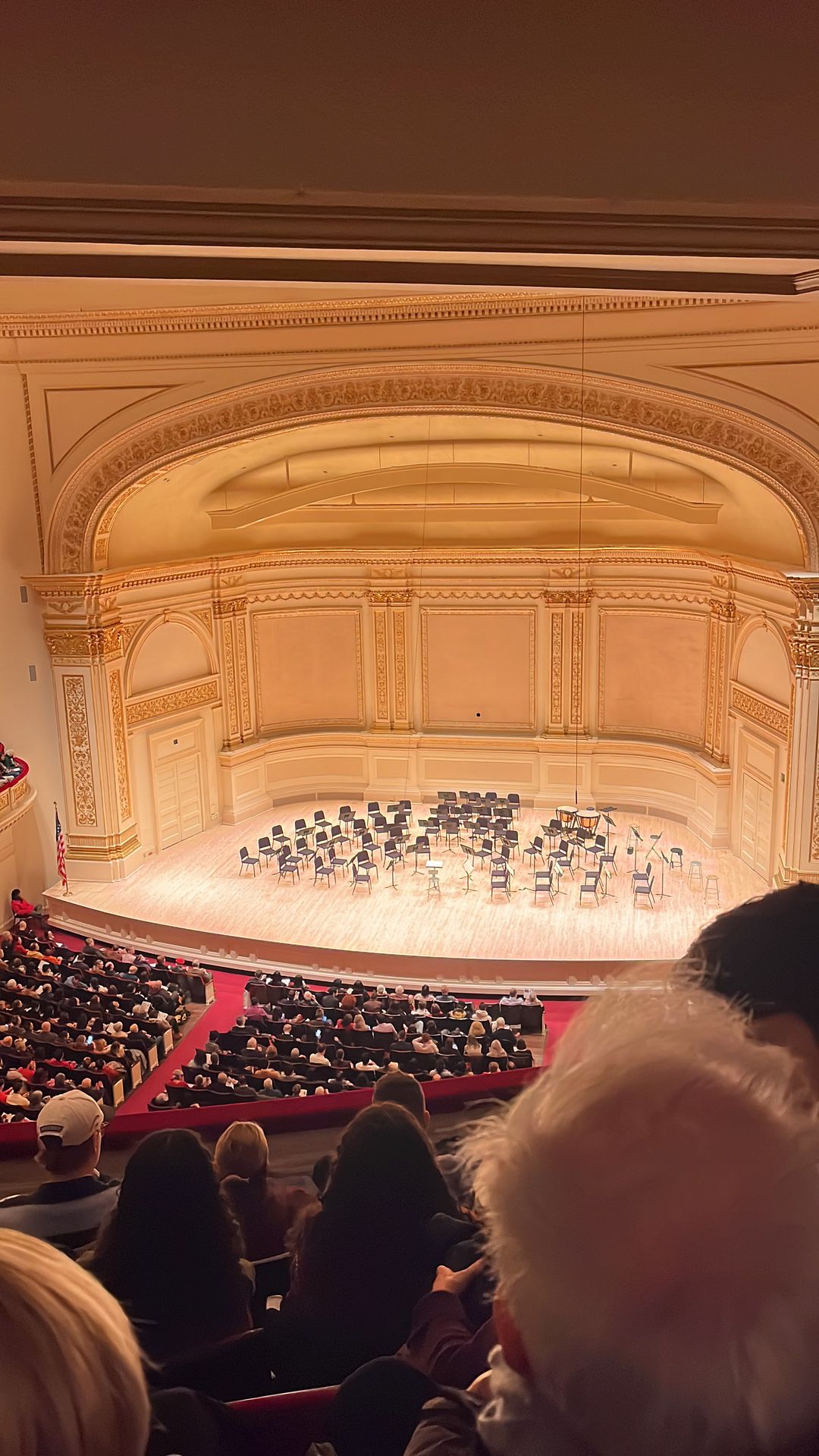
When a piano is tuned to 442Hz, the overall instrument sounds slightly brighter and more brilliant. The harmonics open up in a way that gives the sound more projection and presence in a large room. That's exactly why certain orchestras and chamber ensembles, particularly in Europe, prefer 442Hz when performing in concert halls. The brighter pitch carries further and cuts through the acoustic space more effectively.
For most recordings and the majority of pianos you'll encounter in homes and studios, the standard is A440. This is the frequency established by the International Organization for Standardization, and it has been the global reference point for musical pitch for decades. When you stream a piece of music, watch a film score, or sit down at a piano in a recording studio, you're almost certainly hearing A440.
When It Actually Matters in the Real World
In my experience, the 440 vs 442 conversation tends to come from two types of clients: classical pianists preparing for a specific performance, and ensembles where the piano needs to match other instruments already set to 442.
That second situation is where things get really practical. I've worked with orchestras where the vibraphone is tuned to 442Hz. If the piano isn't tuned to match, the two instruments will clash in a way that is immediately obvious to everyone in the room. It doesn't matter how well each instrument is tuned on its own. If they're not tuned to each other, the ensemble falls apart.
Classical pianists also sometimes request 442 when they're preparing a piece that was written in a tradition where the brighter pitch was the standard, or when they simply want to honor the legacy of the composer and the era the music came from. That kind of intentionality is something I genuinely respect about the musicians I work with.
On Broadway, it's a different story entirely. The productions and rehearsal studios I worked on during my time tuning for shows like The Book of Mormon and The Lion King were always set to A440. Modern musical theater has been built around that standard for a long time and there's no real reason to deviate from it. It's part of why at Broadway Piano Rescue, A440 is our default starting point for every tuning appointment unless a client specifically requests otherwise.
What It Actually Takes to Tune to 442
From a technical standpoint, tuning a piano to 442 is more involved than a standard 440 tuning. What I have to do is perform a pitch raise, which means physically raising the A above middle C from 440Hz to 442Hz and then matching every other note on the piano to that new reference point. That process takes more time and more passes through the instrument to get it stable.
There is no real risk to the piano itself from being tuned to 442 regularly. The added string tension at 442 is negligible. Where you start to see real wear on strings and tuning pins is above 445Hz, and that's a range most pianists never go near. So if your instrument and your situation call for 442, don't let anyone tell you it's going to damage the piano.
As for cost, it depends on where the piano is starting from. If a piano has already been tuned to 442 previously and is holding close to that pitch, I don't charge extra. The additional cost comes in when I have to change the entire pitch of the instrument from scratch. That's a longer appointment and a more involved process, so it's reflected in the price.
Should You Actually Tune Your Piano to 442?
For most people reading this, the honest answer is no. If you have a piano at home that you play for enjoyment, practice, or casual music-making, A440 is exactly where you want to be. It's the universal standard, it's what every recording and digital instrument is calibrated to, and it means your piano will play in tune with everything around it.
442Hz is really a tool for a specific context: performing classical music where other instruments in the ensemble are already at 442, or playing repertoire where the historical tuning standard is part of the musical intention. Outside of that context, it adds complexity without a meaningful benefit.
If you're a musician on the fence about whether to tune to 442 for an upcoming performance, my advice is simple. Only do it if the other instruments on stage are also at 442, or if the piece itself specifically calls for it. Tuning to 442 in isolation, without a reason that connects to the performance, doesn't improve anything. It just puts you out of step with everything else.
The Bottom Line
A440 is the standard for a reason. It's universal, it's practical, and it keeps your piano compatible with every instrument, recording, and musician you'll encounter. A442 is a legitimate and beautiful alternative in the right context, specifically classical performance and ensemble playing where the tradition and the instrumentation call for it.
As a piano technician, my job is to get your piano to wherever it needs to be for what you're actually doing with it. Whether that's 440, 442, or somewhere in between, the goal is always the same: an instrument that sounds exactly the way it should for the music you're making.
Have questions about the right tuning standard for your piano or an upcoming performance? Reach out to Broadway Piano Rescue and we'll talk it through. 917-719-0162