
Can an Old Piano Be Tuned?


I get this question at least once a week. Usually it comes from someone who just inherited their grandmother's piano, or found one sitting in a basement that nobody has touched in thirty years. And the hope in their voice is always the same: "Do you think it can be saved?"
Almost always, yes. But let me tell you what that actually means.
The Steinway From 1865
The oldest piano I've ever tuned was a Steinway built in 1865. Over 160 years old. It had gone through a restoration back in the 1980s, but still, standing in front of an instrument that old and hearing it come back to life is something you don't forget. That experience early in my career told me something I've since confirmed thousands of times over: old pianos are tougher than people think.
In my ten years doing this work, including years tuning rehearsal studios on Broadway for productions like The Book of Mormon and The Lion King, I'd say ninety-nine percent of the pianos I've encountered could be tuned, restored, or at minimum brought back to something useful. That's not optimism. That's just what I've seen.
What Actually Goes Wrong in an Old Piano
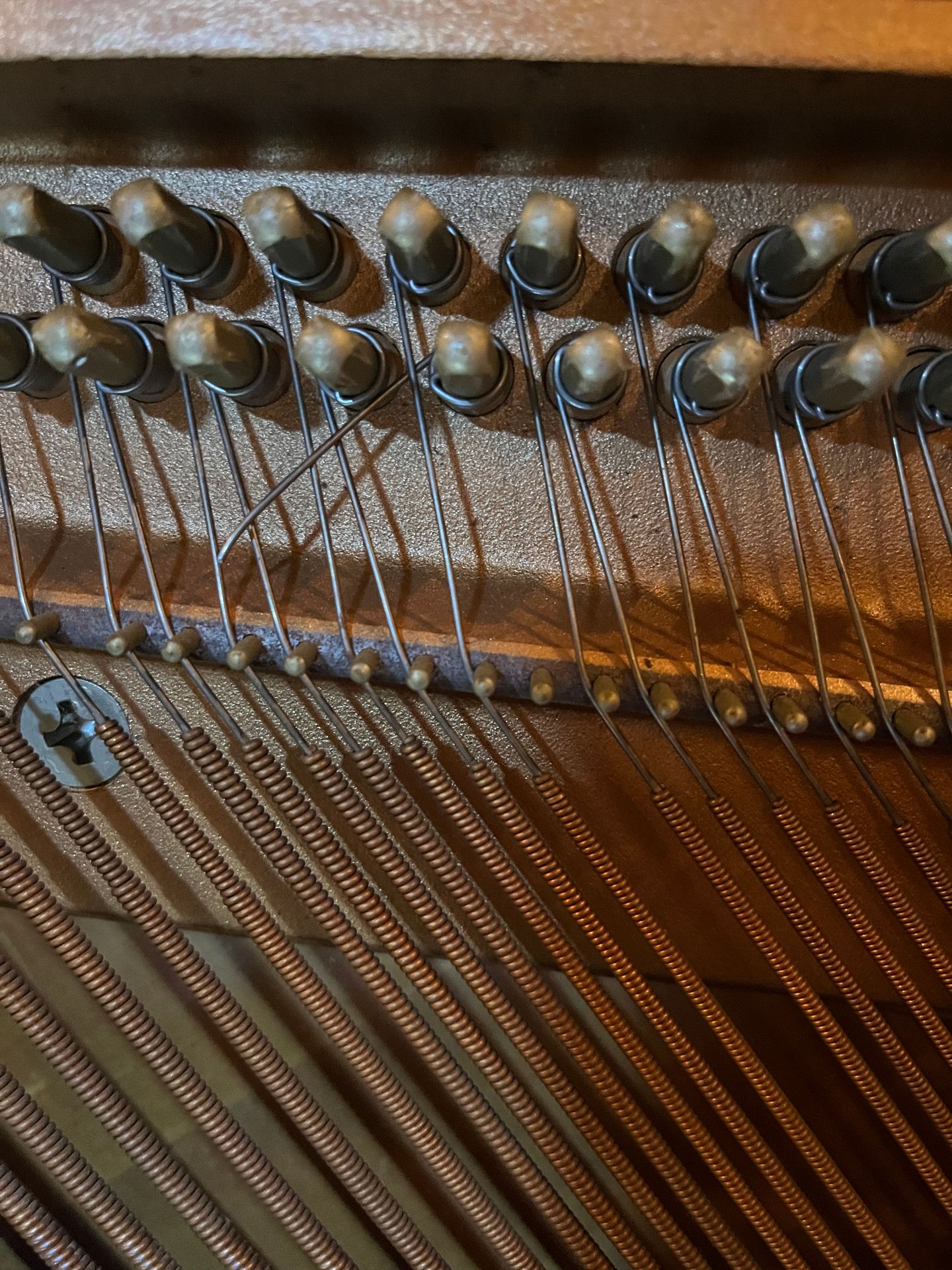
When a piano sits untouched for years, things happen. Dust settles deep into the action. Parts that need lubrication start creating friction. Strings can develop rust. Keys stick or click. The whole instrument gets sluggish and dull.
But here's what most people don't realize: almost none of that is permanent.
The things that can genuinely stop a piano from being restored are much more specific. Cracks in the soundboard or pinblock are the big ones. When the soundboard cracks, the piano loses resonance and you start hearing buzzing running through every note. When the pinblock cracks, the pins that hold string tension can't do their job anymore. I had a 1945 Wurlitzer upright in Chelsea where the pinblock was so far gone that no string would hold its pitch. It sounded like something out of a saloon scene, completely unusable.
Flood damage is the other situation where I've had to deliver bad news. I've walked into homes where mold had gotten so severe it essentially deteriorated everything inside the piano. At that point, there's nothing meaningful left to work with.
But again, those situations are the exception, not the rule. Dust, rust, sticky keys, worn felt? All of that can be cleaned up, lubricated, and adjusted. It just takes someone who knows what they're looking at.
How I Actually Assess an Old Piano
Every piano is different. I can't tell you over the phone what something needs. I have to be in the room with it.
The first thing I do is find the pitch of the instrument. I need to know how far below A440 it's sitting and whether the strings can even hold tension at all. Then I play every single key, one by one. I'm listening for broken notes, sticky keys, clicking action, anything that tells me how the mechanical side of things is holding up.
It matters because there are twelve thousand parts inside a piano. Twelve thousand. Getting a proper read on the instrument before making any calls about restoration isn't optional, it's the whole job. That's why at Broadway Piano Rescue, we try not to turn any piano away without a real assessment first. What looks hopeless from the outside is often a completely different story once you get inside it.
When Restoration Actually Makes Financial Sense
This is where I try to be really honest with people, because the math isn't always obvious.
If you're looking at a restoration under a thousand dollars, it almost always makes more sense to restore than replace. Just moving an old piano out costs around five hundred dollars. Then you need to find and buy a replacement, at minimum another thousand to three thousand for something decent. Then that piano needs tuning too. Before you know it, you've spent two thousand dollars or more and you don't even have the piano your family grew up with.
A restoration in the five to eight hundred dollar range is not just the sentimental choice. It's the smart financial one.
Where it gets more complicated is when the repair costs climb to three or four thousand dollars on an instrument with no real monetary value. At that point the honest question becomes: what does this piano mean to you? Is it connected to someone you love? Will it actually get played? The answer to those questions matters more than the appraised value of the piano itself.
The Story I Keep Coming Back To
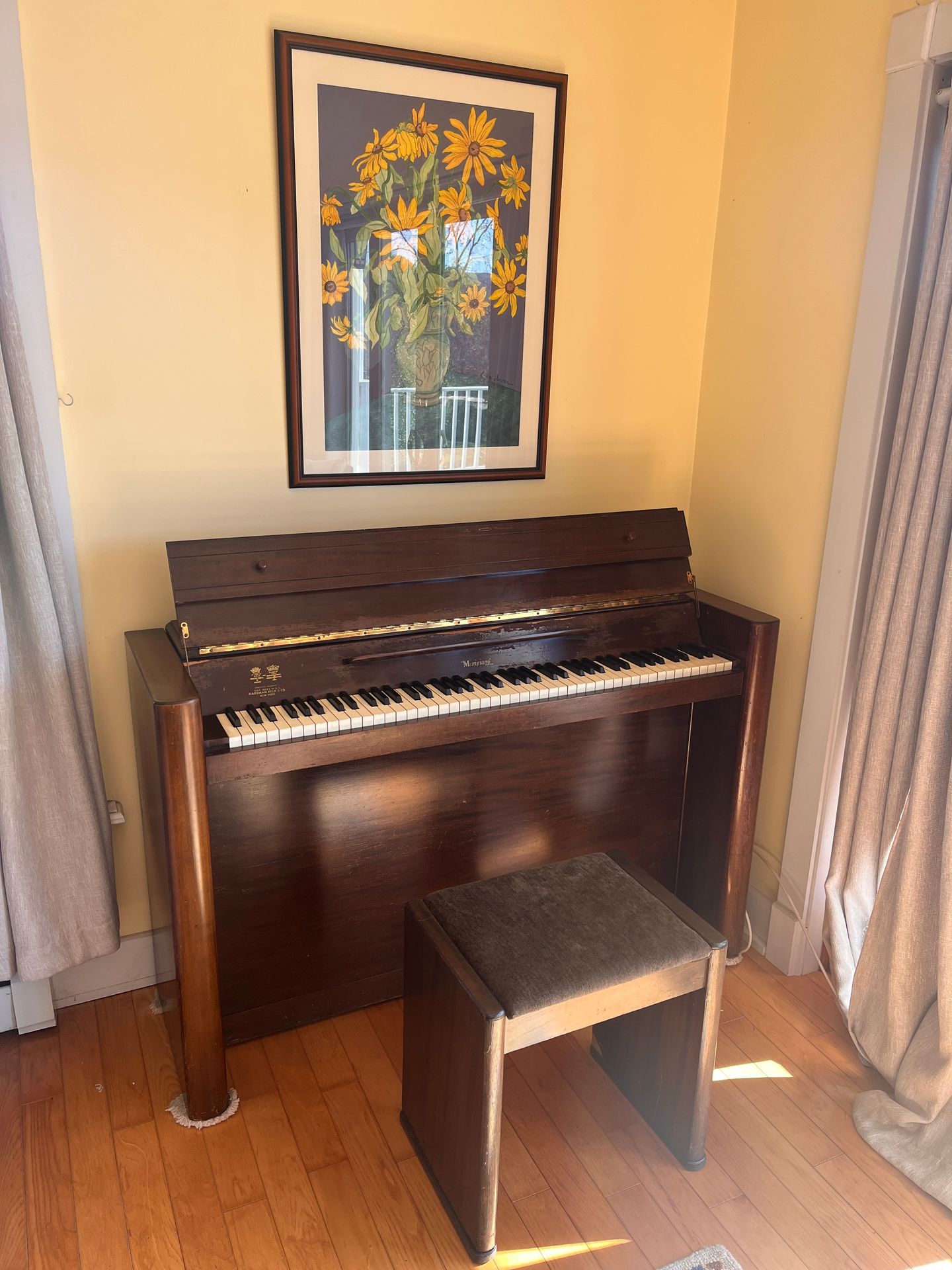
A few years ago I got a call from a man on the Upper West Side. His mother had passed away about three months earlier. She had been a pianist her whole life, and growing up, she always wanted him to learn. He never did. But after she was gone, something shifted. He wanted to learn piano. He wanted to feel close to her again, and the old Steinway upright sitting in his apartment was how he was going to do that.
By the time I got to it, the piano needed real work. But we got it done. And when I finished, he told me the difference was so significant that it genuinely inspired him to practice more. He said he could hear his mother's playing through the instrument again.
That's the part of this job that doesn't show up on an invoice.
So, Can Your Old Piano Be Tuned?
Almost certainly yes. Whether it makes sense to restore it depends on the actual condition of the instrument and what it means to you, and you can't really know the first part until someone opens it up and takes a proper look.
If you've got an old piano sitting somewhere collecting dust, don't assume the worst. Get it assessed. Find out what you're actually working with. Nine times out of ten, there's more life left in it than you'd expect.
Wondering about an old piano you've inherited or had sitting around? Reach out to Broadway Piano Rescue and we'll take a look. We'll be straight with you about what we find. 917-719-0162